
Scallop Shell Symbolism on the Camino de Santiago
The Camino de Santiago, or the Way of Saint James, is one of the world’s most famous pilgrimage routes, attracting travelers from all walks of life. A unique symbol of this spiritual journey is the scallop shell, which has become synonymous with the Camino and its pilgrims. The scallop shell carries profound symbolism, representing not only the physical journey but also the spiritual growth that accompanies it. From medieval times to the present day, the shell has remained a powerful emblem of faith, guidance, and connection to tradition.
In this blog post, we delve into the significance of the scallop shell along the Camino de Santiago and answer six frequently asked questions (FAQs) about its symbolism.
1. What is the significance of the scallop shell in the Camino de Santiago?
The scallop shell is one of the most recognizable symbols of the Camino de Santiago, holding deep spiritual and historical meaning. It is believed that after the death of Saint James, his body was miraculously transported to the shores of Galicia, where it was found covered in scallop shells. This association with Saint James transformed the shell into a symbol of the pilgrimage to Santiago de Compostela, where the saint’s remains are believed to be enshrined.
The scallop shell symbolizes not only the physical journey to the cathedral but also the inner journey of faith and personal transformation that many pilgrims experience along the way.
2. Why do modern pilgrims wear or carry a scallop shell?
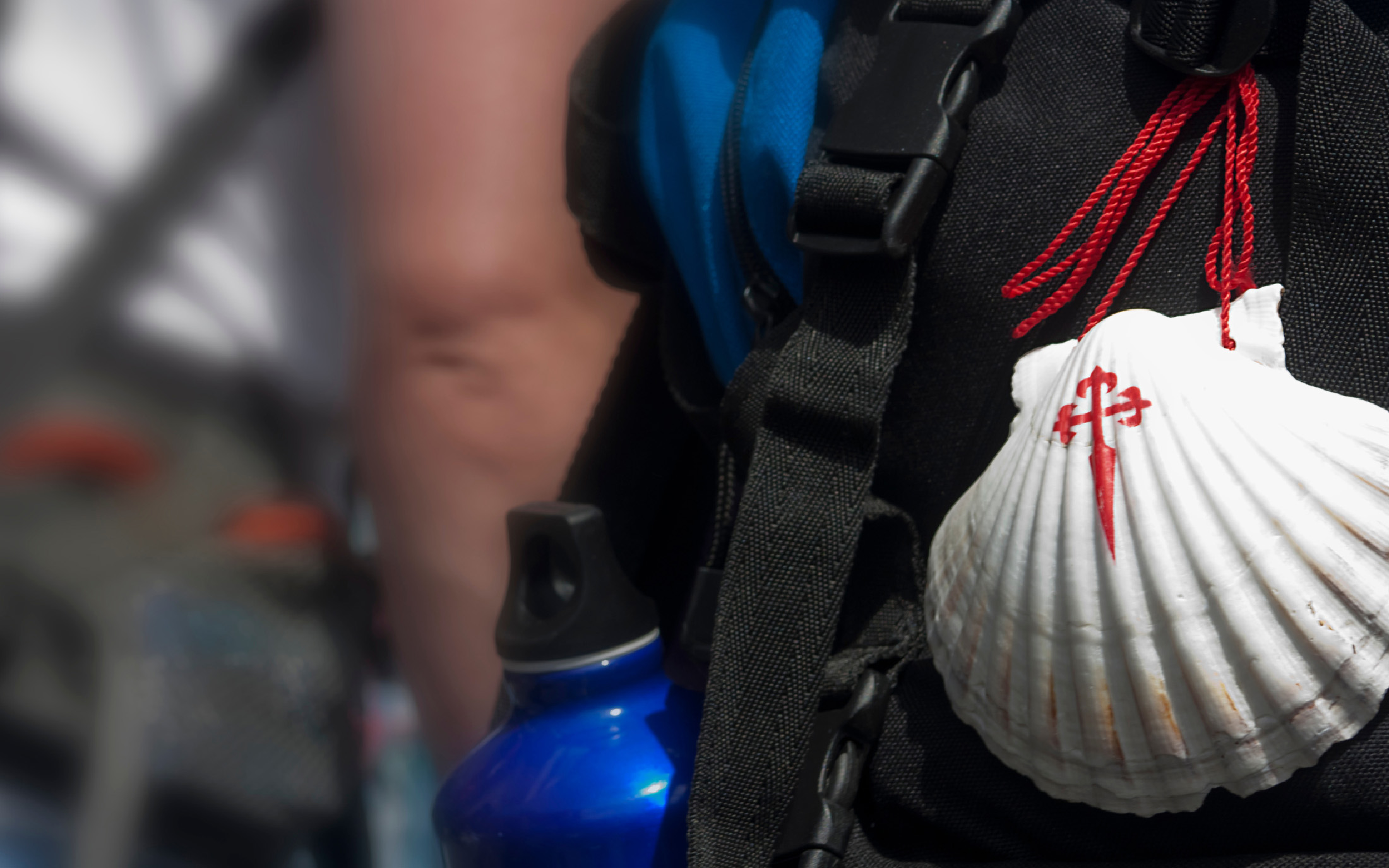
Pilgrims today often wear a scallop shell on their backpacks, hats, or clothing as a symbol of their participation in the Camino de Santiago. This tradition dates back to medieval times when the scallop shell also served a practical purpose, such as for scooping water from streams.
In modern times, the shell continues to serve as an outward sign of a pilgrim’s journey, making it easy to identify fellow travelers on the Camino. It also serves as a spiritual reminder of the pilgrimage’s purpose—a quest for meaning, reflection, and inner renewal. By carrying the shell, pilgrims honor the traditions of the past while embracing the personal significance of their own journey.
3. How did the scallop shell become a guiding symbol for pilgrims?
The scallop shell is not only a symbol of the Camino de Santiago but also a guide along the route. The shell’s design, with its lines radiating outward from a central point, symbolizes the various paths that pilgrims take, all leading to one destination: Santiago de Compostela.
This concept is reflected in the Camino itself, where pilgrims come from all corners of the world, starting from different locations but ultimately converging at the cathedral where Saint James is believed to be buried. The scallop shell thus represents unity in diversity, reminding pilgrims that no matter where they begin, their paths are all interconnected and lead to the same sacred goal.

4. Where can the scallop shell be seen along the Camino de Santiago?
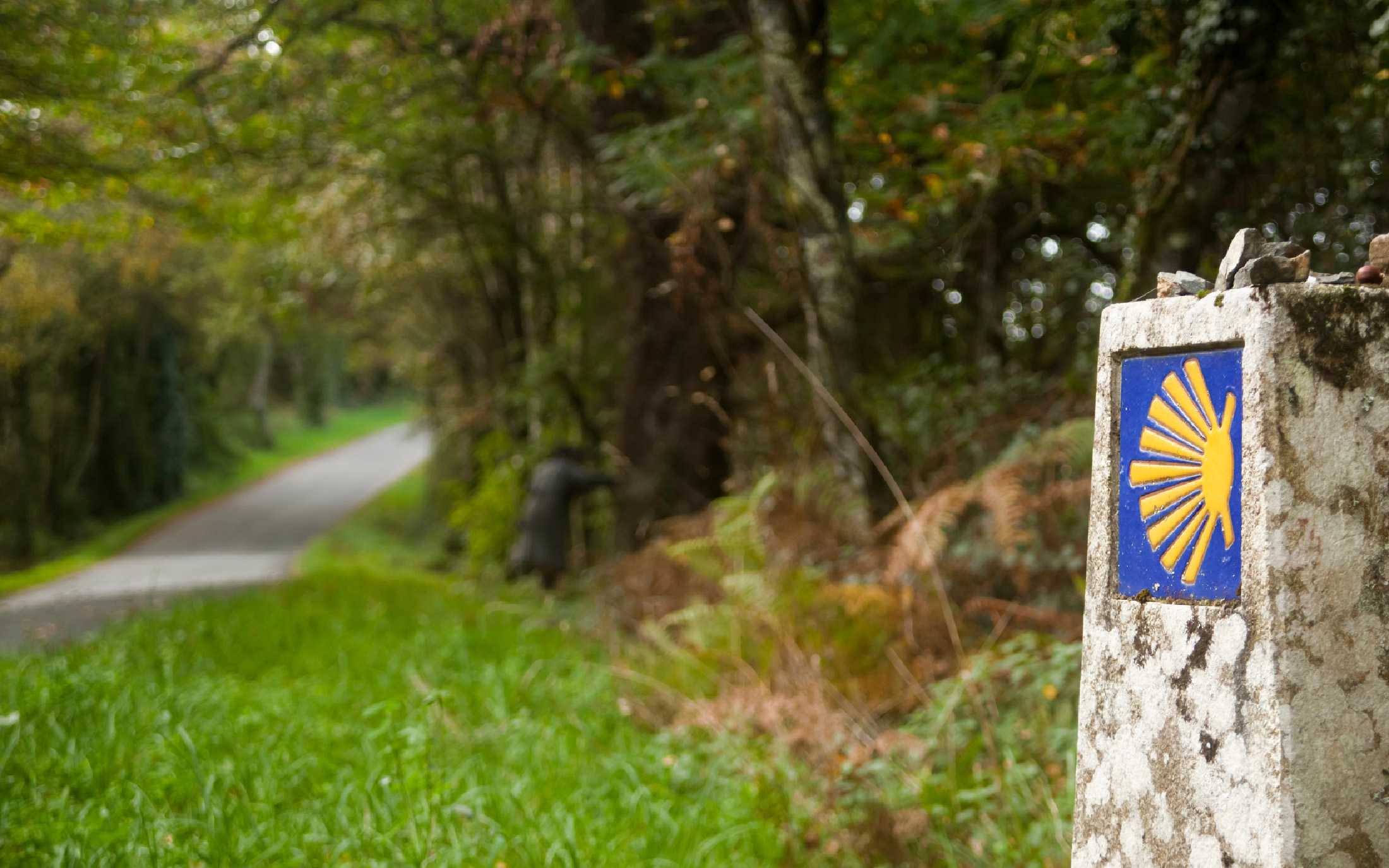
The scallop shell can be seen almost everywhere along the Camino de Santiago. It appears on road signs, trail markers, and wayposts, helping guide pilgrims on their journey. Many pilgrims are comforted by the sight of the shell on markers, as it reassures them they are following the right path.
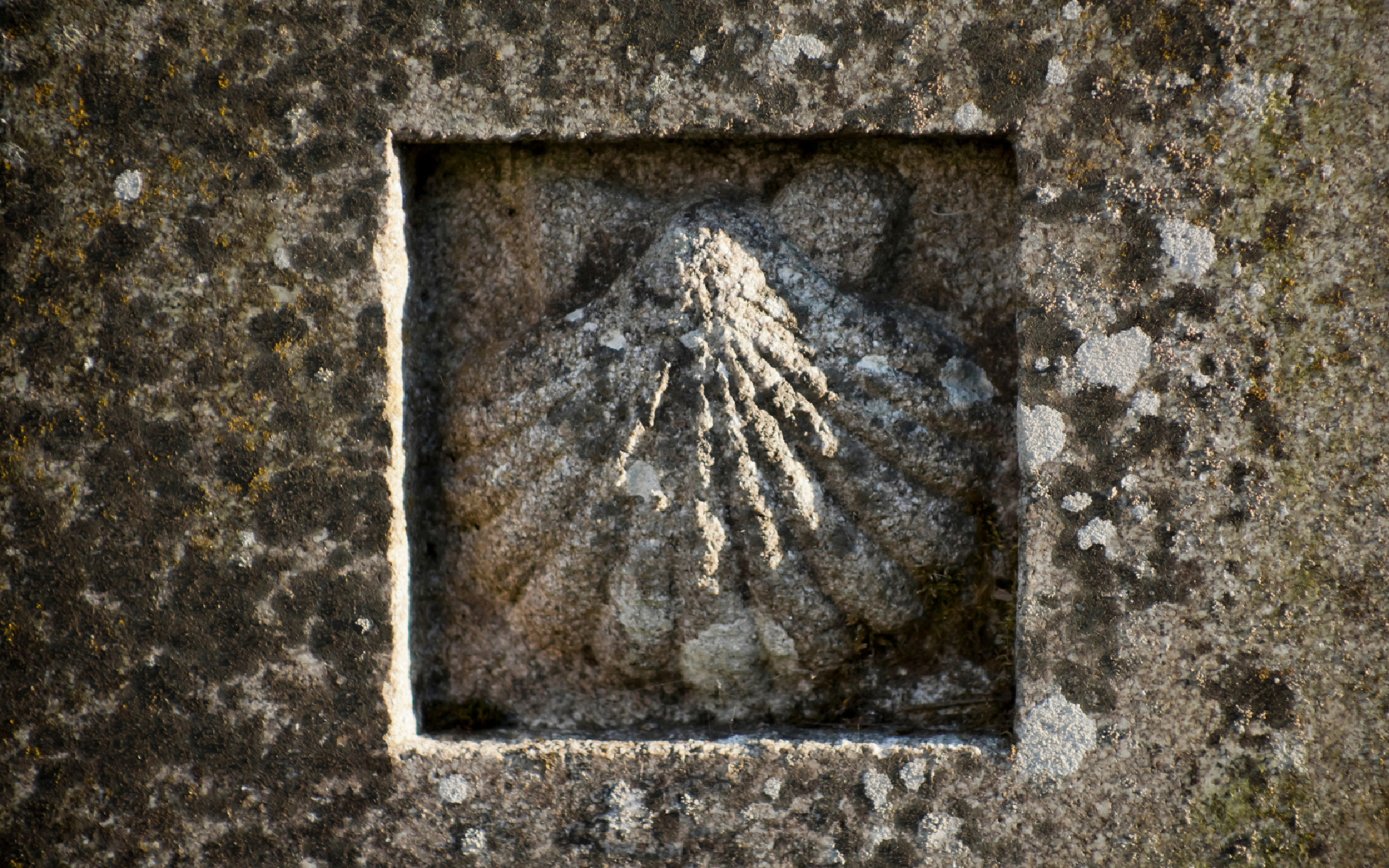
In addition to these waymarkers, the shell is also a prominent feature in the architecture of churches, cathedrals, and monuments along the route. Carvings of scallop shells can be found on the facades of buildings and on the clothing of statues depicting pilgrims, emphasizing its lasting symbolic significance throughout history.
5. What does the scallop shell represent spiritually?
Spiritually, the scallop shell represents the themes of pilgrimage, faith, and transformation. The journey of the Camino is not just a physical trek but a spiritual quest where pilgrims seek personal insight, renewal, or a deeper connection to their faith.
The shell’s design mirrors this inner transformation. Just as its lines radiate outward, symbolizing the many paths to Santiago, it also represents the different ways in which pilgrims may undergo growth and change throughout their journey. The shell becomes a symbol of both the physical journey and the deeper, often more challenging, inner path toward enlightenment or fulfillment.
6. How does the scallop shell reflect the communal nature of the Camino?
The Camino de Santiago is known for fostering a sense of community among its pilgrims, and the scallop shell is a symbol that unites them. The shell’s radiating lines are often seen as representing not just the physical paths that converge at Santiago de Compostela but also the shared experiences and fellowship that develop along the way.
For centuries, pilgrims have come together on the Camino, forming connections with people from different cultures, backgrounds, and beliefs. The scallop shell embodies this communal spirit, reminding pilgrims that while their journeys may be personal, they are also part of a larger tradition and community. Whether it’s helping a fellow traveler, sharing a meal, or reflecting together at the end of a long day’s walk, the scallop shell symbolizes the interconnectedness of all those who walk the Camino.

Conclusion
The scallop shell is much more than a simple seashell for those who walk the Camino de Santiago. It is a powerful symbol that connects the past and present, the physical and the spiritual, the individual and the communal. Whether carried as a badge of the pilgrim or seen on trail markers along the route, the scallop shell continues to guide, inspire, and unite those who embark on this sacred journey.
As you walk the Camino or reflect on its meaning, the scallop shell serves as a reminder that every path leads to a greater destination—both outwardly toward Santiago de Compostela and inwardly toward personal and spiritual growth.